
The Potential Impact on Health Care Industry due to the Overturn of the Chevron Deference Standard
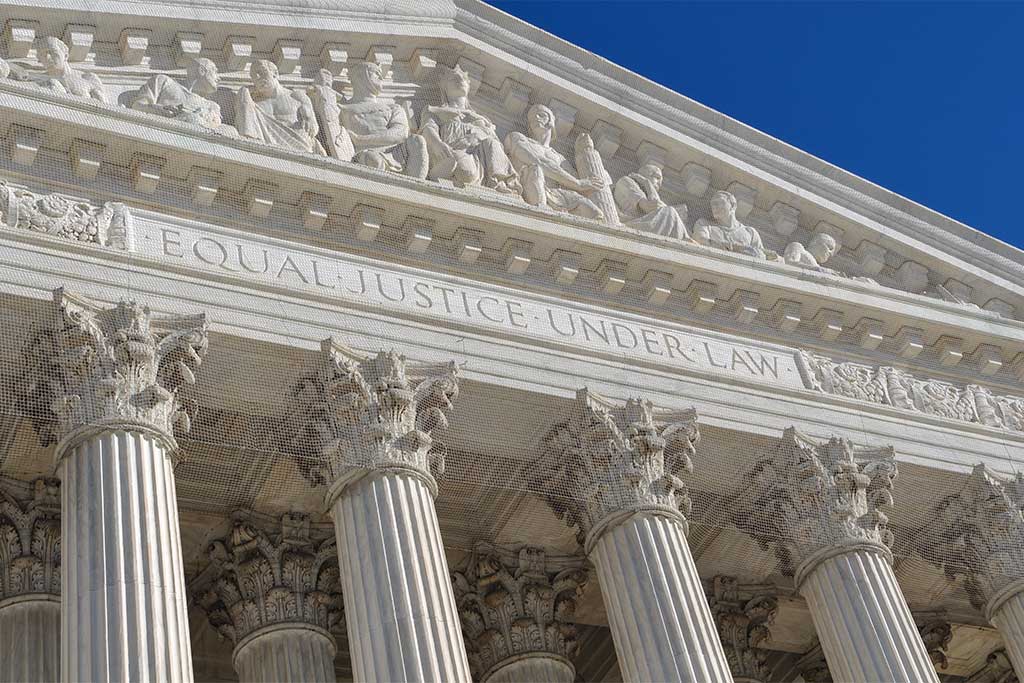
On June 28, 2024, in Loper Bright Enterprises v. Raimondo, the United States Supreme Court overturned the Chevron deference standard, known as Chevron U.S.A. Inc. v. Natural Resources Defense Council Inc. This standard was a long-standing administrative law principle that allowed federal agencies to use their technical expertise to interpret laws and create necessary regulations. The impact of this ruling on the healthcare sector could include legal challenges to regulations, a slower rulemaking process, reduced federal ability to develop new programs or requirements such as minimum-staffing requirements for nursing homes, FDA drug trial rules, and food safety regulations, and more. This decision presents both challenges and opportunities for healthcare stakeholders, as judges will now be relied upon to make technical and even scientific determinations instead of deferring to agency staff expertise. Consequently, congressional lawmakers may face increasing pressure to craft more precise legislation to avoid ambiguity. The industry’s input will be crucial as Congress and regulatory agencies work on developing accurate legislation and regulations.
Considering this decision, federal circuit courts may experience heightened divergence on various issues as judges substitute their judgment for that of agencies in interpreting statutes. The majority opinion emphasizes that courts should not automatically defer to an agency’s interpretation of its authority. It states, “[t]he Administrative Procedure Act requires courts to independently determine whether an agency has acted within its statutory authority, and courts may not defer to an agency interpretation of the law simply because a statute is ambiguous.”