Insurance CEOs Testified They Can’t Control Healthcare Costs. Federal Arbitration Data Says Otherwise.
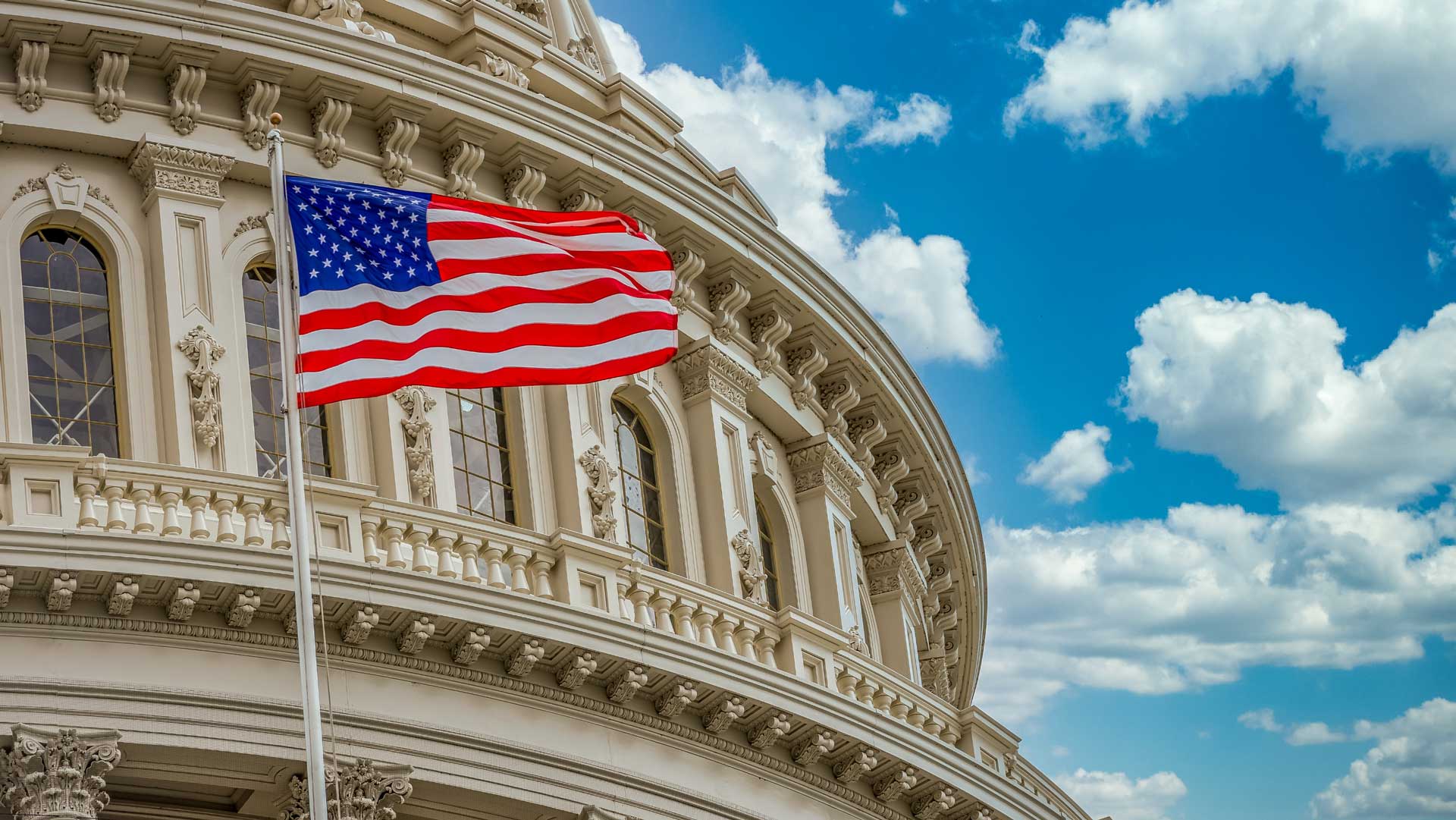
On January 22, five insurance CEOs sat before two House committees and delivered the same message that rising healthcare costs aren’t their fault.
“The cost of health care insurance fundamentally reflects the cost of health care itself. It is more an effect than a cause,” UnitedHealth CEO Stephen Hemsley testified. CVS, Cigna, Elevance, and Ascendiun executives made similar arguments throughout the daylong hearings.
Out-of-network providers know better. These insurers claim they’re just passing along costs. But under the No Surprises Act, they calculate the Qualified Payment Amount that determines provider reimbursement. They control the benchmark. And federal arbitration data shows they’re using that control to underpay.
Federal Arbitration Data Contradicts the Testimony
Providers who challenge NSA underpayments through the federal Independent Dispute Resolution process frequently prevail. Winning awards typically run 3 to 4 times the initial QPA payment. In some complex specialties, arbitrators have awarded more than ten times what insurers initially paid.
Independent arbitrators reviewing the full evidence keep concluding that insurer-calculated QPAs fall short of appropriate reimbursement. This isn’t happening on a handful of claims. Over 3.3 million disputes have been filed since the IDR process took effect in January 2022.
Insurers set low benchmarks, issue payments at a fraction of service value, and count on providers lacking the resources or expertise to dispute. Most don’t. An estimated 90% of eligible claims go unchallenged.
Premiums Up, Profits Up, Provider Payments Down
Representative Debbie Dingell put it bluntly during the hearing: “Millions of Americans across the nation have seen their health care premiums skyrocket. Yet, all of you are posting record profits.”
Providers have experienced the other side of this equation. Reimbursements for out-of-network services dropped 30% to 40% after the NSA took effect in 2022. Initial payments now arrive at 10% to 15% of billed charges. Complex surgical cases sometimes receive 1% to 2%.
The insurers’ response to Congressional pressure was to argue that rising premiums reflect higher costs elsewhere in the health care system, particularly hospital services and prescription drugs. They didn’t mention that they control how QPAs get calculated. They decide which contracted rates feed into their median calculations. They determine the geographic boundaries. They decide whether to downcode a claim to a category with a lower benchmark.
Congress Won’t Fix This Anytime Soon
The hearings made news, but providers expecting legislative relief will be waiting a while. Congress debated extending enhanced ACA premium subsidies throughout 2025 without reaching agreement, and the credits expired December 31. The House has since passed legislation to extend them, but the Senate hasn’t acted. Partisan exchanges took up much of the January 22 hearing, instead of pressing insurers on their practices.
Political debates don’t affect your deadlines. The No Surprises Act still gives you 30 business days to negotiate and 4 business days to file for arbitration. Missing either deadline means losing the right to dispute that claim.
Providers Are Winning When They Challenge Underpayments
The federal IDR process already exists. Providers using it are recovering substantially more than initial payments. The data on win rates and award amounts confirms that insurers are underpaying and arbitrators are correcting it.
Only an estimated 10% of eligible claims are filed for arbitration. Strict deadlines, procedural complexity, and resource constraints mean insurers retain the underpayment on the vast majority of out-of-network claims without challenge. When carriers keep the difference on 9 out of every 10 disputes that providers never bring, their argument before Congress that they cannot control healthcare costs loses credibility.
Every unchallenged underpayment becomes permanent. Insurance CEOs can testify about cost pressures they supposedly can’t control while their QPAs continue undervaluing medical services.
Recover What You’re Owed
Minevich Law Group handles No Surprises Act arbitration for medical providers nationwide. We challenge the same underpayment practices those CEOs defended before Congress on January 22.
We can evaluate your claims and calculate recovery potential. We track every deadline so you never forfeit a claim.
Call 516-202-2196 or schedule a free consultation.