Anthem’s Hospital Penalty Policy Draws Congressional Scrutiny. What It Means for Out-of-Network Providers
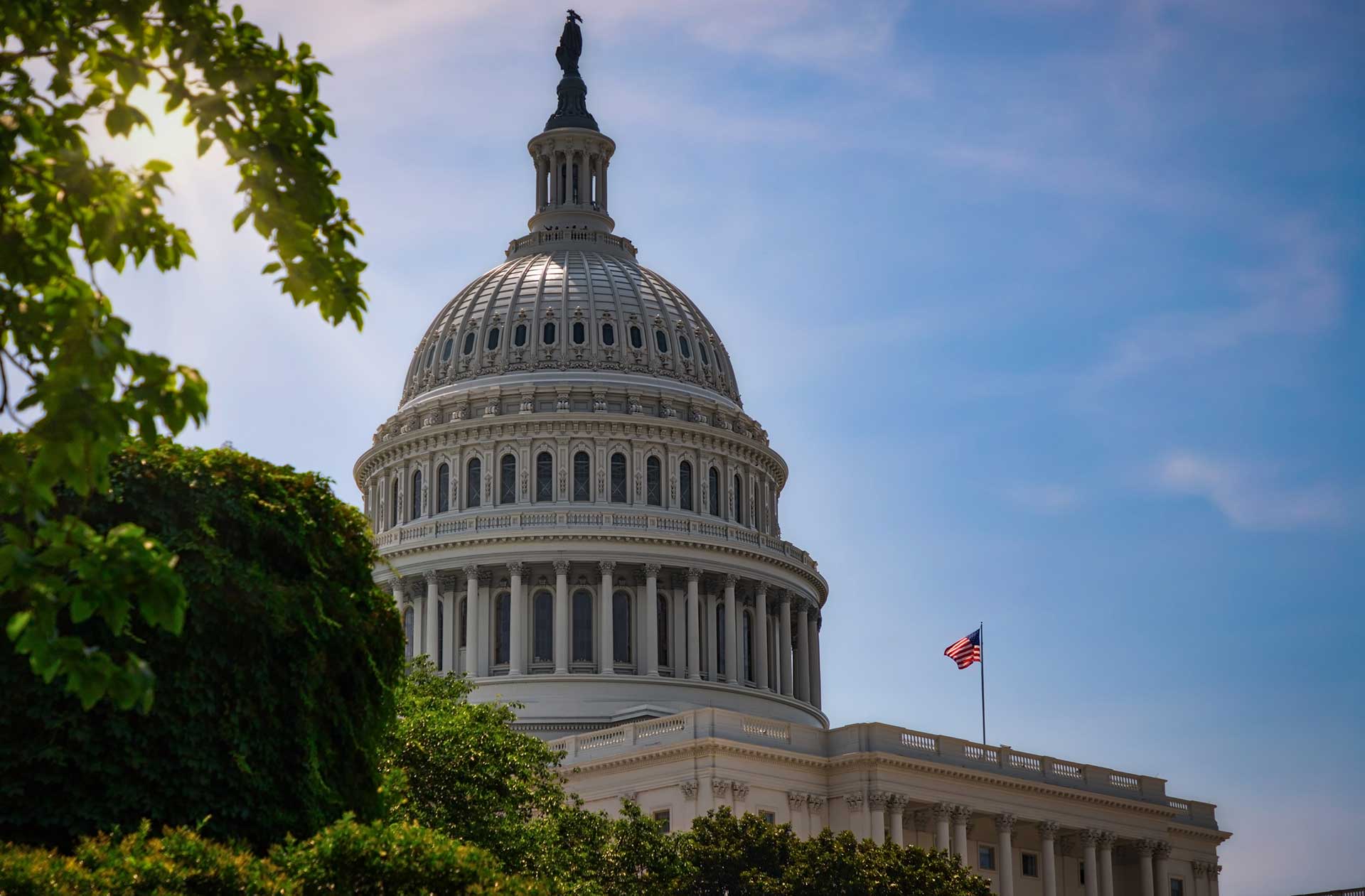
Anthem’s strategy for dealing with unfavorable arbitration outcomes just attracted federal attention. A bipartisan group of fourteen physician lawmakers sent a letter to HHS, Treasury, and Labor on December 18 requesting an investigation into whether the insurer’s new facility administrative policy violates federal law.
The timing matters. This policy took effect January 1, 2026. Providers in eleven states are already operating under it.
The Policy’s Real Purpose
Anthem frames this as addressing “IDR abuse.” The company claims providers are exploiting the No Surprises Act arbitration process for elective procedures that Congress never intended to cover.
Here’s what the data actually shows. Providers win roughly 80% of cases that reach arbitration. Median awards run several multiples higher than Anthem’s initial offers. From Anthem’s perspective, the arbitration system is working exactly as providers hoped it would and exactly as insurers feared.
Rather than adjust reimbursement to reflect what independent arbitrators consistently find to be fair, Anthem created a workaround. Penalize hospitals 10% on facility claims when out-of-network providers are involved. Threaten network termination for repeat use of non-participating physicians.
The response from the medical community has been swift and unified. More than 90 physician specialty societies have signed letters opposing the policy. The American Hospital Association, Federation of American Hospitals, and a coalition of 36 healthcare organizations including the American Society of Anesthesiologists and American College of Emergency Physicians and Ambulatory Surgery Center Association have all called for Anthem to rescind it. A bipartisan group of fourteen physician lawmakers has now requested a federal investigation. This level of coordinated pushback is rare, and it signals that providers aren’t facing this fight alone.
The congressional letter called this “anti-competitive” and accused Anthem of attempting to “bypass reasonable contract negotiations and IDR.” The lawmakers wrote that this approach “places hospitals in an untenable position: either compel physician groups to accept reimbursement that cannot sustain high-quality operations or restrict their patients’ access to high-quality clinicians in order to avoid being penalized by Anthem.”
What This Means for Your Practice
The congressional investigation and industry-wide opposition create real momentum. But regulatory action takes time. Meanwhile, the policy is live in Colorado, Connecticut, Georgia, Indiana, Kentucky, Maine, Missouri, Nevada, New Hampshire, Ohio, and Wisconsin.
Here’s what you can do now.
Stay connected to your specialty societies. If you’re a member of a medical association that has opposed this policy, your voice matters. These organizations are actively engaging with lawmakers and regulators.
Continue filing for arbitration. The policy creates pressure on hospitals, but it doesn’t eliminate your right to dispute underpayments through the federal IDR process. Providers are still winning roughly 80% of cases. If you have underpaid claims from Anthem or other insurers, we can help you file before your deadlines expire.
Get legal review before signing new contracts. If hospitals approach you about joining Anthem’s network, have an attorney review any proposed terms. Contracts signed under pressure often contain provisions that look very different once you understand what you’re giving up.
For a detailed breakdown of how the policy works, see our previous analysis, Anthem’s New Policy Penalizing Hospitals for Using Out-of-Network Providers.
Our Role
Minevich Law Group represents out-of-network providers in No Surprises Act arbitration nationwide. We handle federal IDR cases in all 50 states and state surprise billing arbitration in New York and New Jersey. If Anthem’s policy is affecting your practice or you need help evaluating your options, contact us for a free consultation or call 516-202-2196.